








Treatment requests
Teeth grinding (bruxism)
Dental bruxism therapy includes a range of medical and dental interventions to treat bruxism, a disorder in which people unconsciously grind or clench their teeth, often during sleep.
Symptoms and causes of bruxism
Teeth grinding is a common problem, but it is often noticed very late, especially when the rubbing, clenching or grinding happens unconsciously. The most common symptoms of teeth grinding are
- Tooth wear
- Enamel loss
- Receding gums
- Toothache or sensitive tooth necks
- Jaw pain
- Muscle pain
- Earache
- Headache
There are a wide range of causes for this: A lack of normal tooth contact or an uneven bite can lead to bruxism as the body tries to find a correct bite position. Temporomandibular joint disorders, orthopaedic problems, for example in the neck area, or psychological strain, anxiety and stress can manifest themselves through teeth grinding. The consumption of alcohol or certain drugs can aggravate teeth grinding, as can the use of some medications – especially antidepressants and stimulants. They can have bruxism as a side effect.
You should therefore always get to the bottom of the cause. Treatment for teeth grinding can range from lifestyle adjustments, stress management and relaxation techniques to the use of occlusal splints, dental and/or orthodontic treatment. It is important to treat teeth grinding to prevent dental and health problems.
How does bruxism therapy work?
Dental bruxism therapy is tailored to the individual needs of the patient. It usually comprises the following steps:
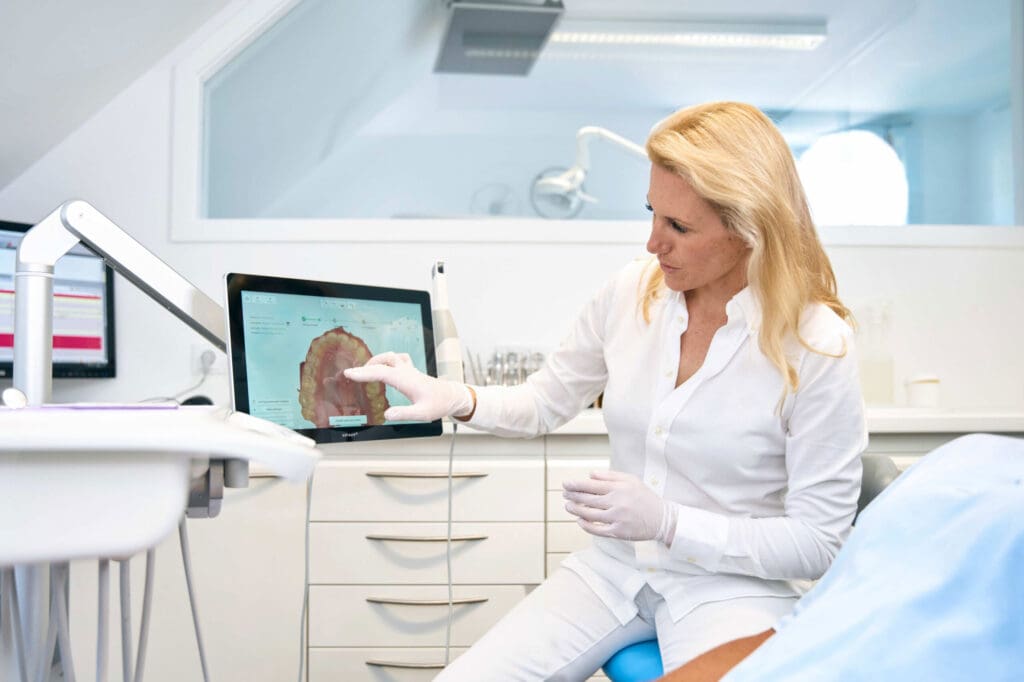
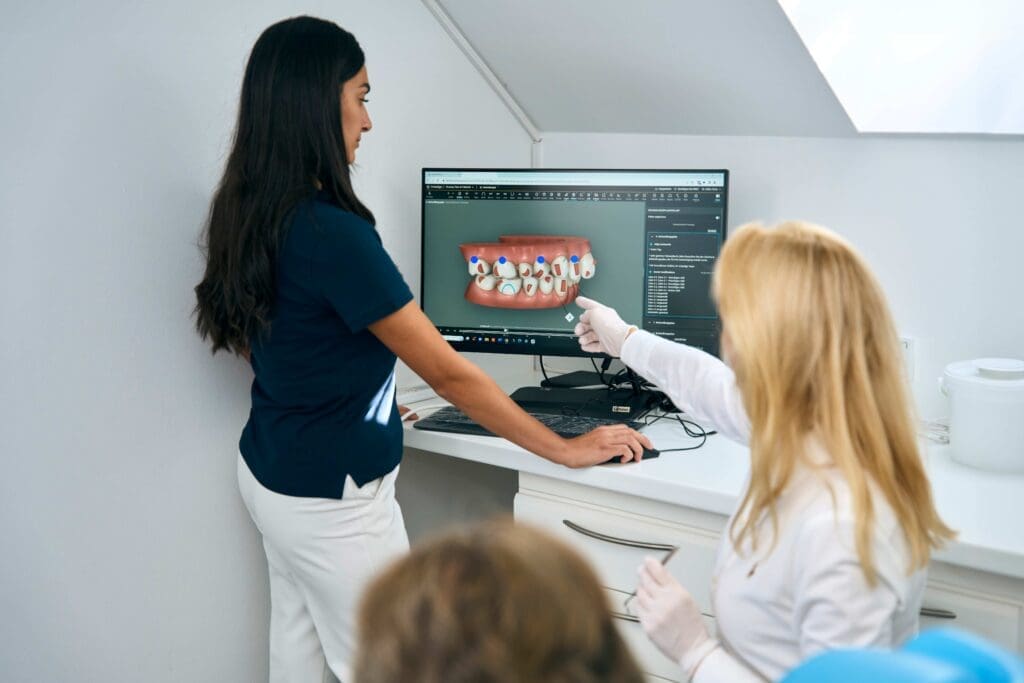
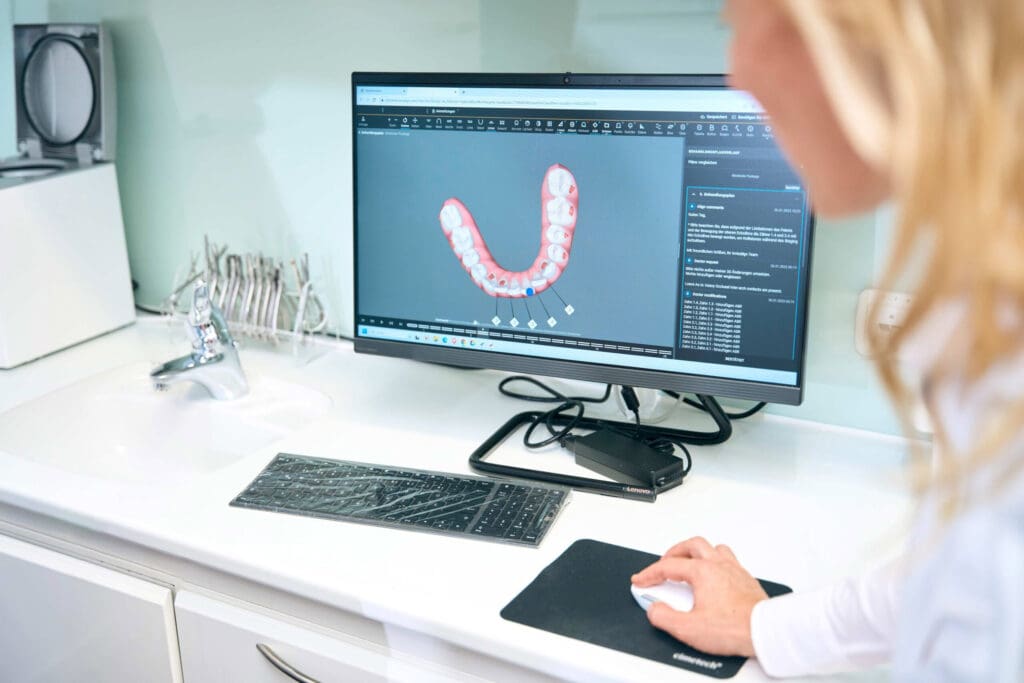
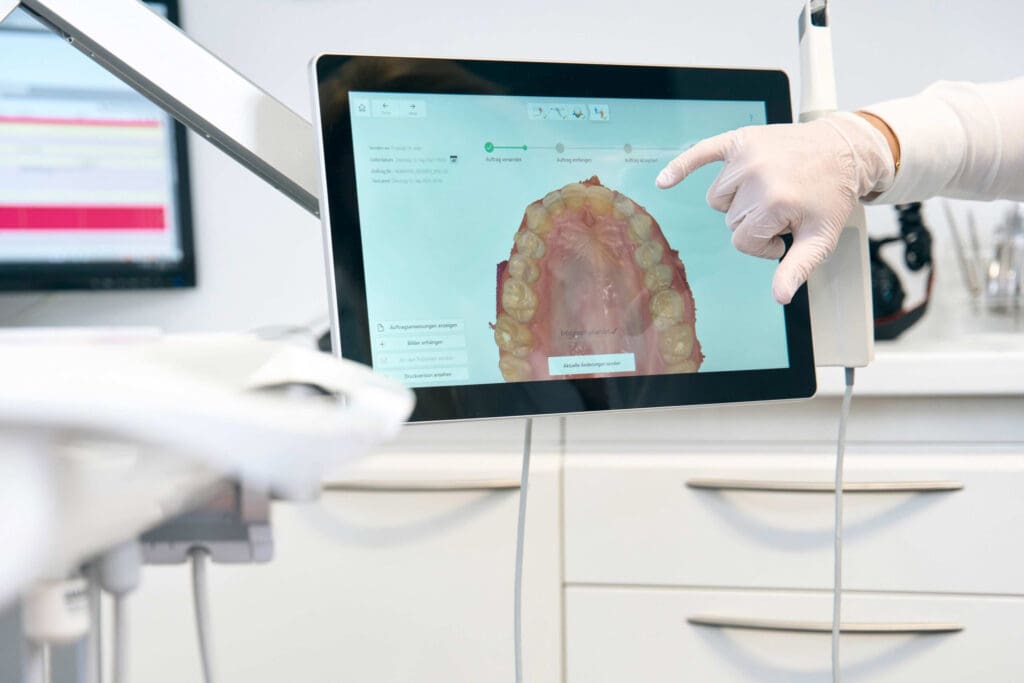
- Diagnosis: The dentist will diagnose bruxism by assessing the patient’s symptoms and examining the condition of the teeth and jaw. This can be supplemented by X-rays and a dental scan.
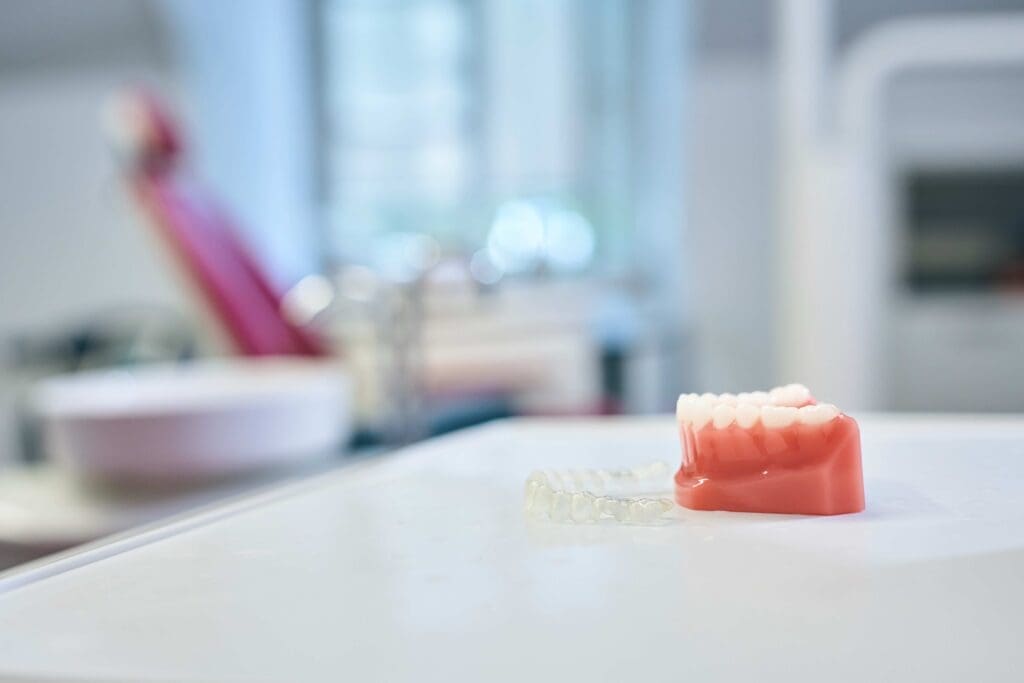
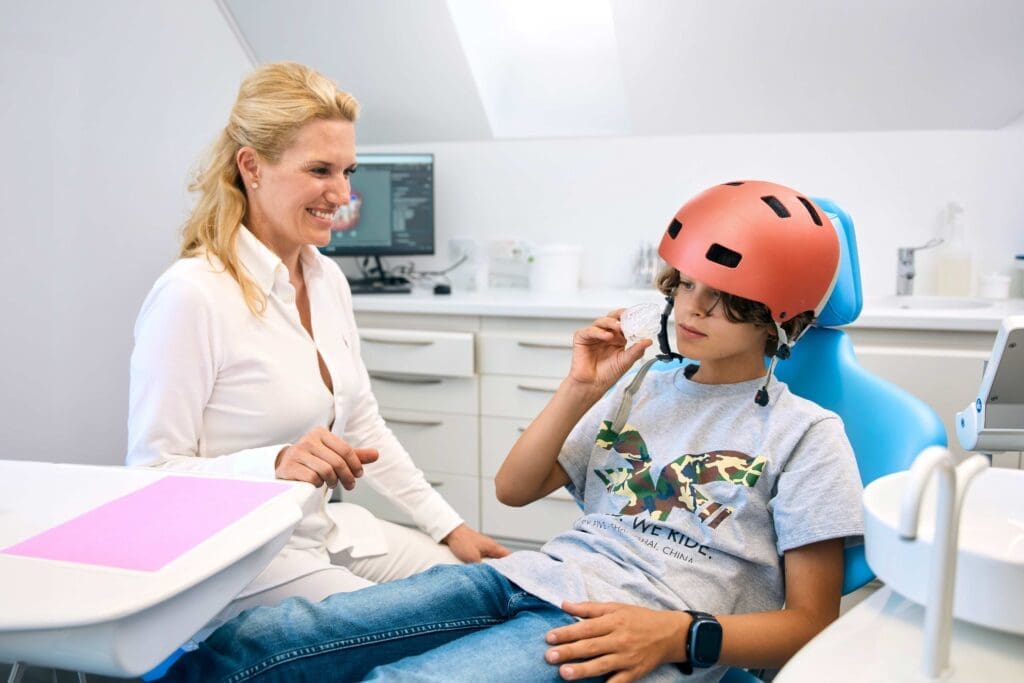
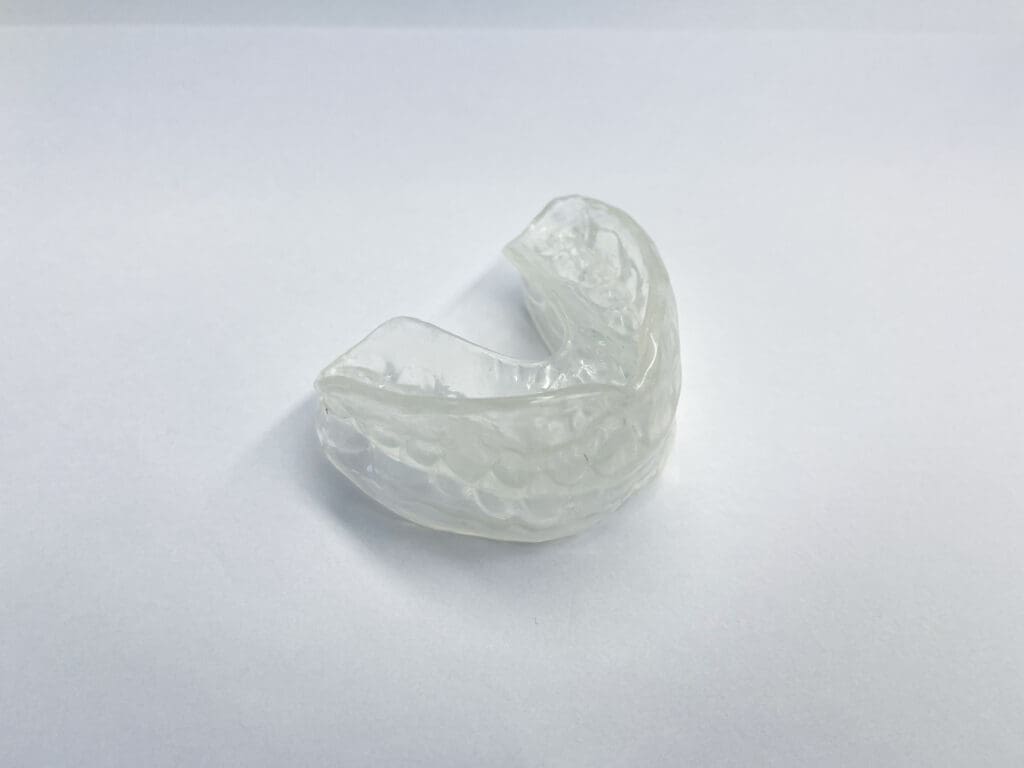
- Customisation of dental splints: A frequently used method for treating bruxism is the fabrication of a customised dental splint (also known as splint therapy). This splint is worn during sleep and protects the teeth from clenching and grinding. Depending on the type of splint, it also relieves pressure on the temporomandibular joint.
- Additional therapeutic steps if necessary: In addition to splint therapy, physiotherapy, osteopathic therapy or manual therapy is often recommended. Here we work closely with therapists.
- Behavioural changes: Lifestyle and behavioural changes can help to reduce stress and anxiety, as these factors often trigger or exacerbate bruxism.
- Drug treatment: In some cases, medications such as muscle relaxants or anti-inflammatories may be prescribed to relieve symptoms.
- Botulinum toxin: Relaxing the chewing muscles with botulinum toxin can also be very helpful.
What is the aim of bruxism treatment and what is the prognosis for successful treatment?
The aim of bruxism treatment is to alleviate the patient’s discomfort and prevent damage to the teeth and jaw.
The prognosis for the success of the therapy is usually very positive if patients follow the doctor’s recommendations. The splint protects the teeth from further abrasion and behavioural changes can help to reduce bruxism. Symptoms such as pain and sleep disorders often improve significantly.
However, it is important to note that long-term treatment of bruxism is usually necessary to prevent relapses. You should attend regular follow-up appointments with your dentist and have adjustments made to your splint if necessary.
Dental bruxism therapy offers an effective solution for patients who suffer from bruxism and can help to alleviate pain and maintain long-term dental health.
Your therapy options
Sports mouthguard (sports splint)
The sports mouthguard is an indispensable companion for sports with a high risk of injury in the mouth area.
Weiterlesen
Gap holder
Gap maintainers are important during the development of the dentition in order to secure the space for growing teeth.
Weiterlesen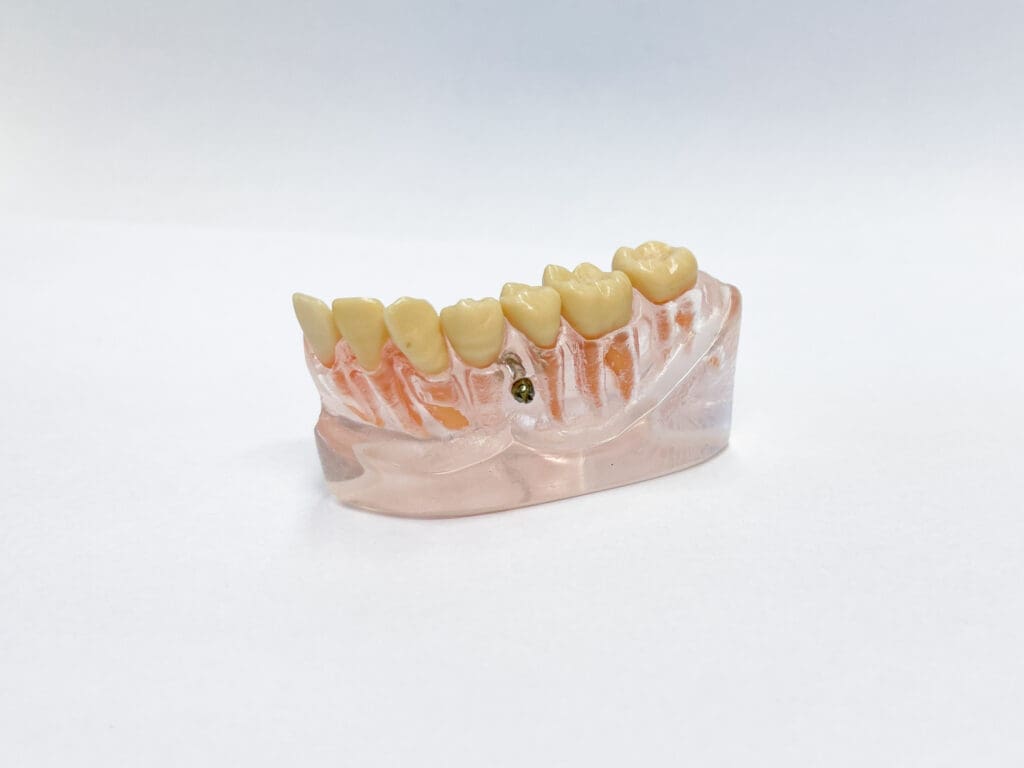
Minipins (mini screws or orthodontic mini implants)
Minipins are small screws that are screwed into the jawbone and serve as temporary anchoring points.
WeiterlesenAuxiliary appliances for bite correction
In addition to removable elastics, we offer so-called non-compliance devices to increase the efficiency of treatment.
Weiterlesen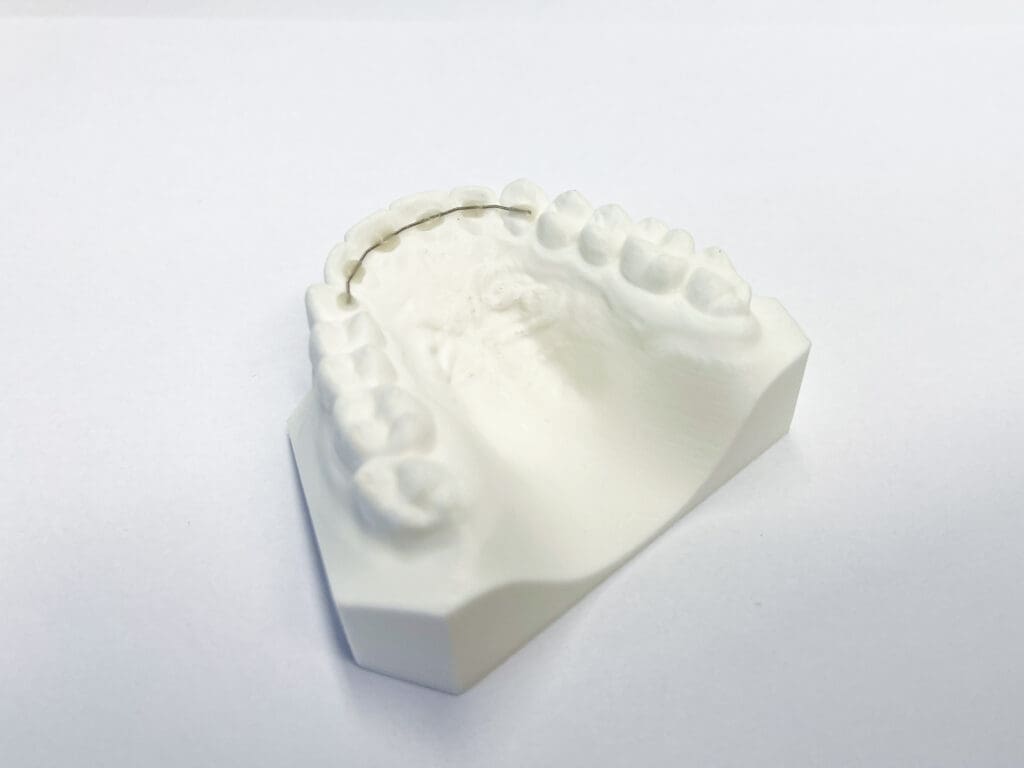
Retainer
Retainers are used to hold the teeth in the desired position after treatment with braces.
Weiterlesen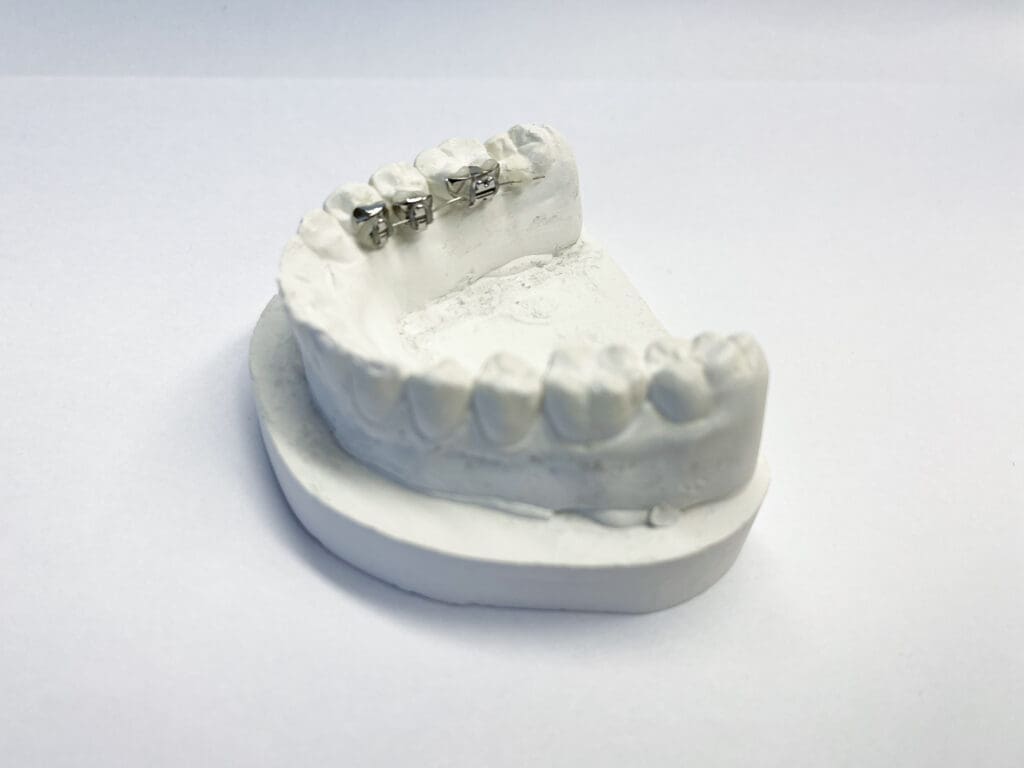
Invisible (lingual) braces
Lingual braces are invisible, fixed braces that are attached to the inside of the teeth.
Weiterlesen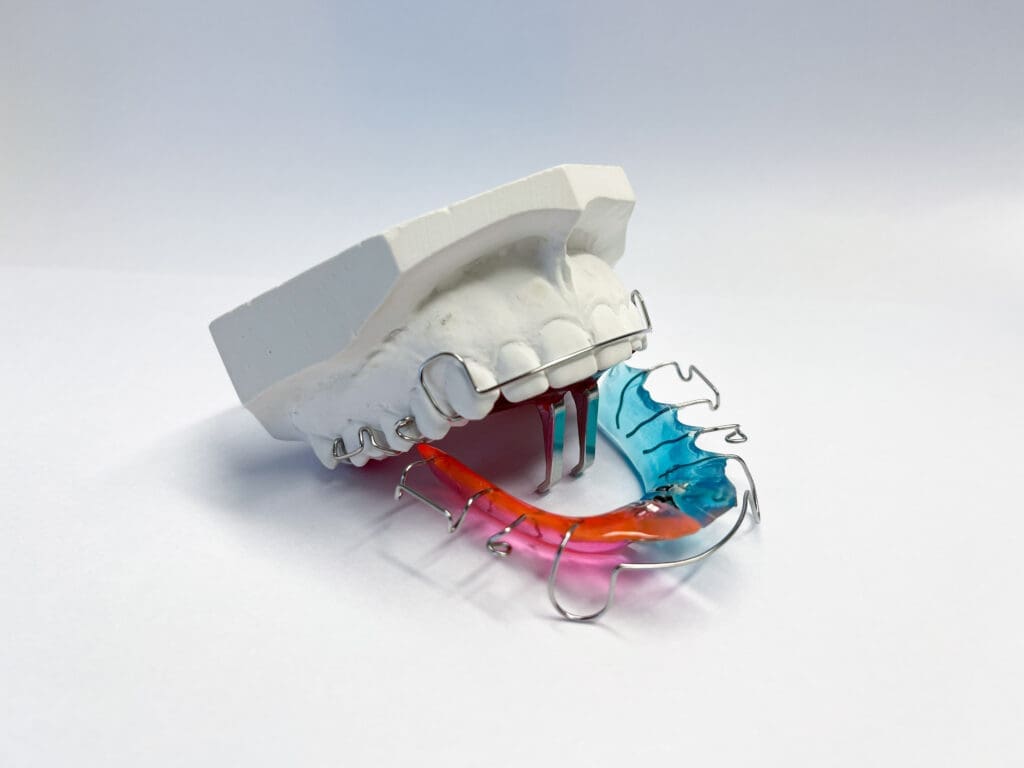
Removable braces
Removable braces are versatile, comfortable and suitable for different age groups.
Weiterlesen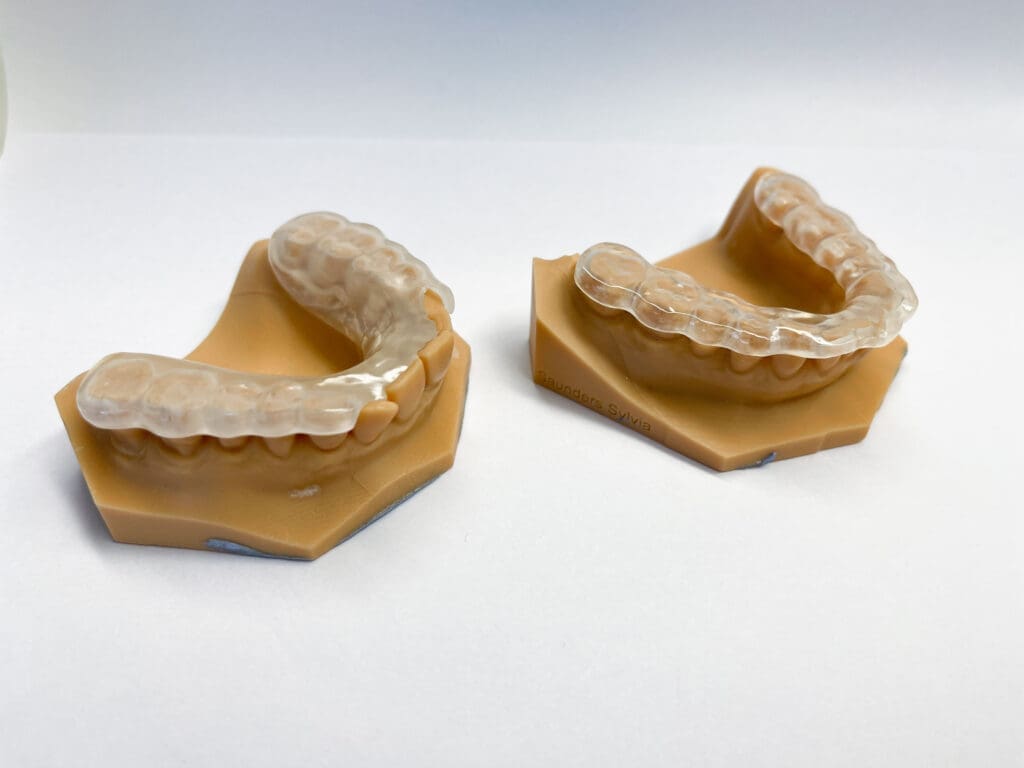
Bite splints
Bite splints are used to prevent overloading of the teeth and treat diseases of the masticatory system.
Weiterlesen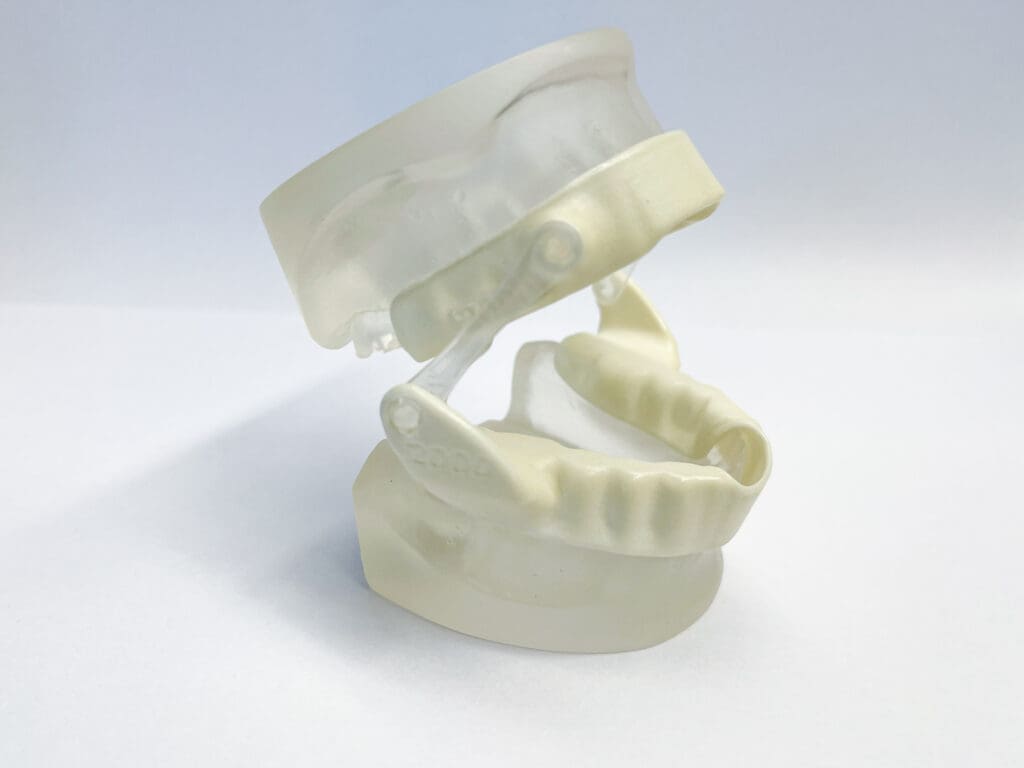
Snoring splints
Custom-made snoring splints effectively reduce snoring and thus improve the quality of sleep.
Weiterlesen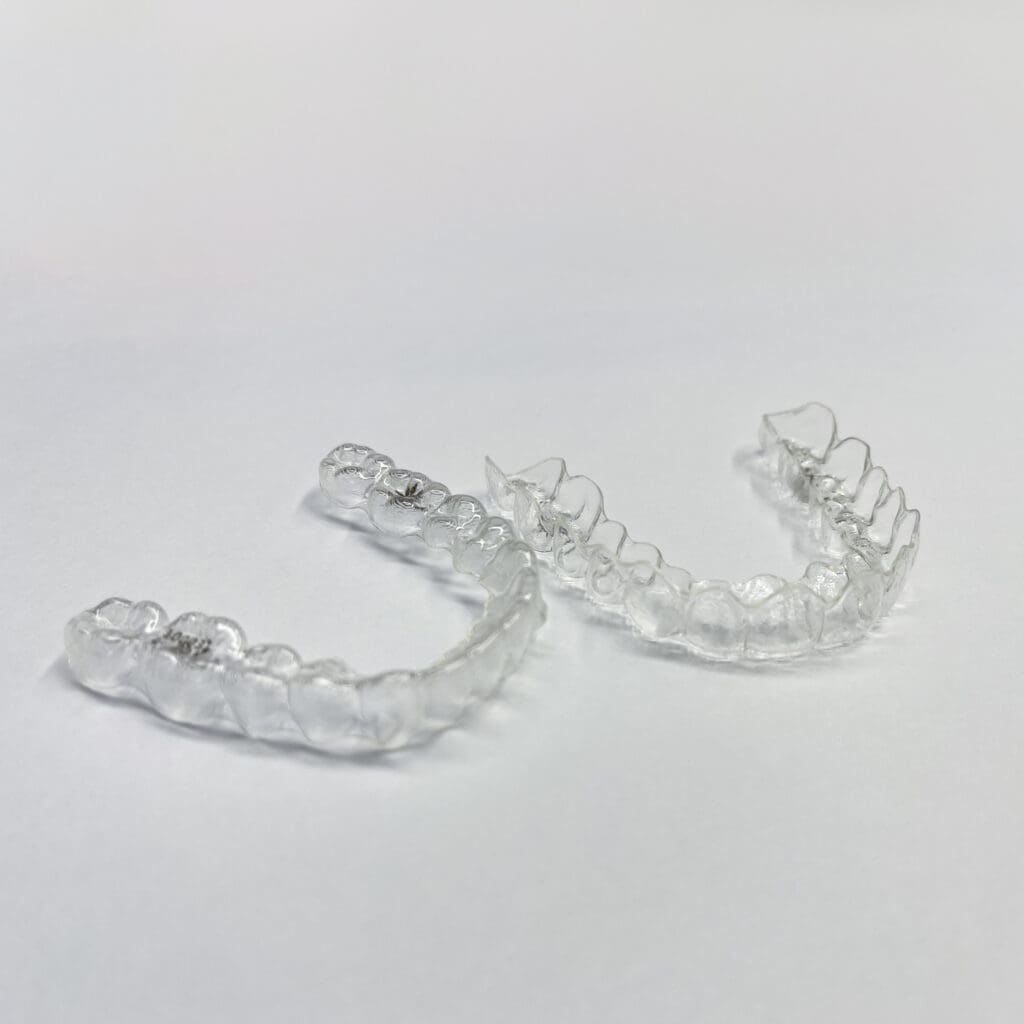
Invisalign® aligners
Aligners are thin plastic aligners and an almost invisible alternative to conventional braces.
WeiterlesenMake an appointment now
Isarsmile Pullach
Opening hours
| Day | Time |
|---|---|
| Monday | 8:00 – 12:00 13:00 – 17:00 |
| Tuesday | 8:00 – 12:00 13:00 – 18:00 |
| Wednesday | 8:00 – 12:00 13:00 – 19:00 |
| Thursday | 9:00 – 12:00 13:00 – 19:00 |
Online appointment
Available soon...Telephone
089 / 793 45 76Isarsmile Solln
Opening hours
| Day | Time |
|---|---|
| Monday | 8:00 – 12:00 13:00 – 18:00 |
| Tuesday | 8:00 – 12:00 13:00 – 18:00 |
| Wednesday | 8:00 – 12:00 13:00 – 18:00 |
| Thursday & Friday | by appointment |